
Explore the Ecuadorian Amazon sustainably. Learn the difference between
primary and secondary forests and find the perfect eco-lodge for your jungle trek.
Top Amazon Eco-Lodges in Ecuador for Conscious Travelers
Experience the Ecuadorian Amazon through eco-lodges designed for conscious travelers seeking adventure without compromising the environment. Discover the differences between primary and secondary forests, immerse yourself in extraordinary biodiversity, and enjoy authentic encounters with local communities while contributing to the preservation of one of the planet’s most remarkable ecosystems.
Sustainable Tourism in the Amazon Rainforest: Eco-Lodges for Conscious Travelers
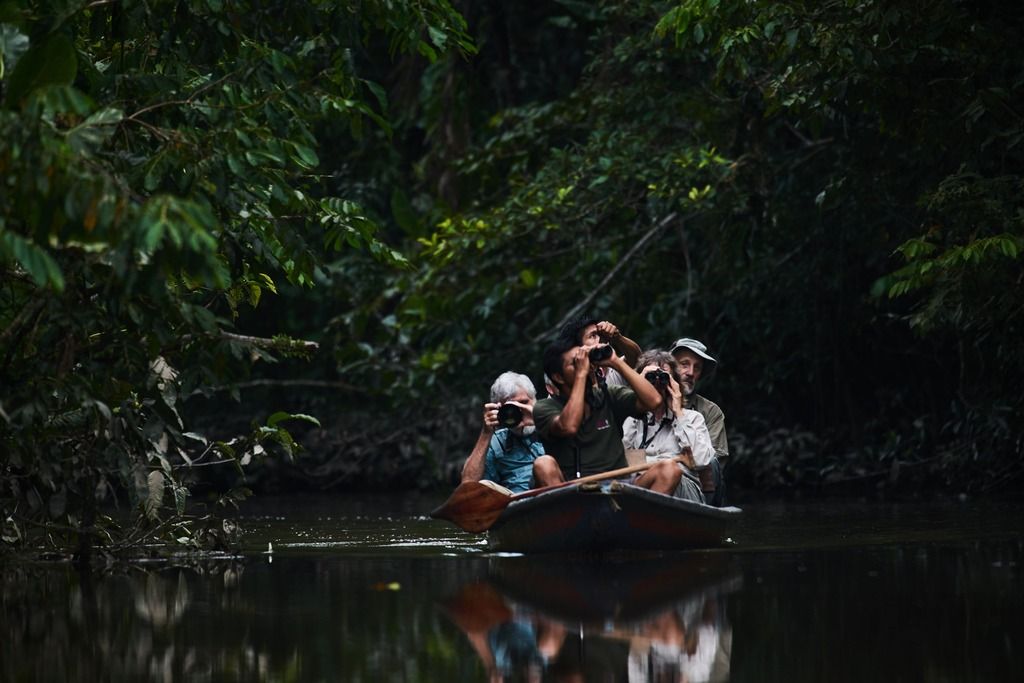
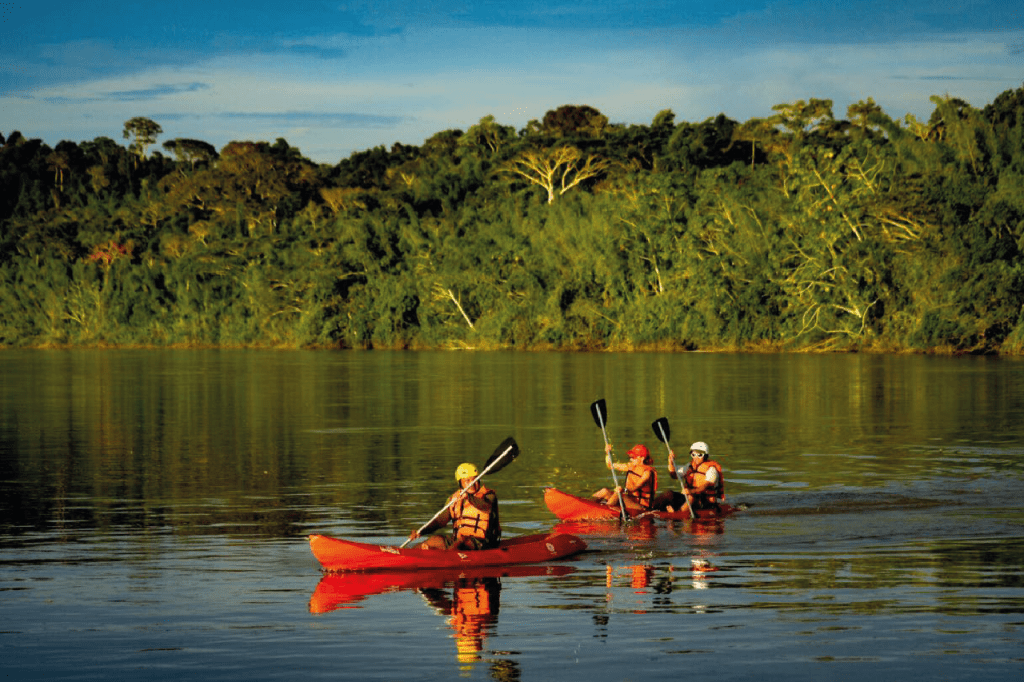
The Ecuadorian Amazon is a place where myths are shattered the moment you step beneath the dense emerald canopy. For many international travelers, the phrase “deep jungle expedition” conjures up images of intense humidity, heavy backpacks, and sacrificing basic comforts. However, Ecuador has quietly revolutionized tropical travel. Here, sustainable tourism proves that deep environmental immersion and responsible travel can perfectly coexist with excellent hospitality. Choosing to explore this legendary rainforest does not mean roughing it; instead, it means participating in a sophisticated conservation model where your presence actively helps protect one of the most biodiverse areas on the planet while supporting local communities.
Ecuador’s approach to the Amazon focuses on low-impact, high-value travel. By shifting away from mass tourism and focusing on carefully managed eco-lodges, the country ensures that the delicate balance of the rainforest remains undisturbed. For conscious travelers, this region offers a rare opportunity to disconnect from the modern world and connect with nature in its purest form.
Primary vs. Secondary Forest: What to Expect
When planning your Amazonian itinerary, understanding the ecological distinction between primary and secondary forests is essential for setting the right expectations for your journey. Ecuador’s unique geography allows you to experience both, each offering a distinct perspective on tropical ecology.
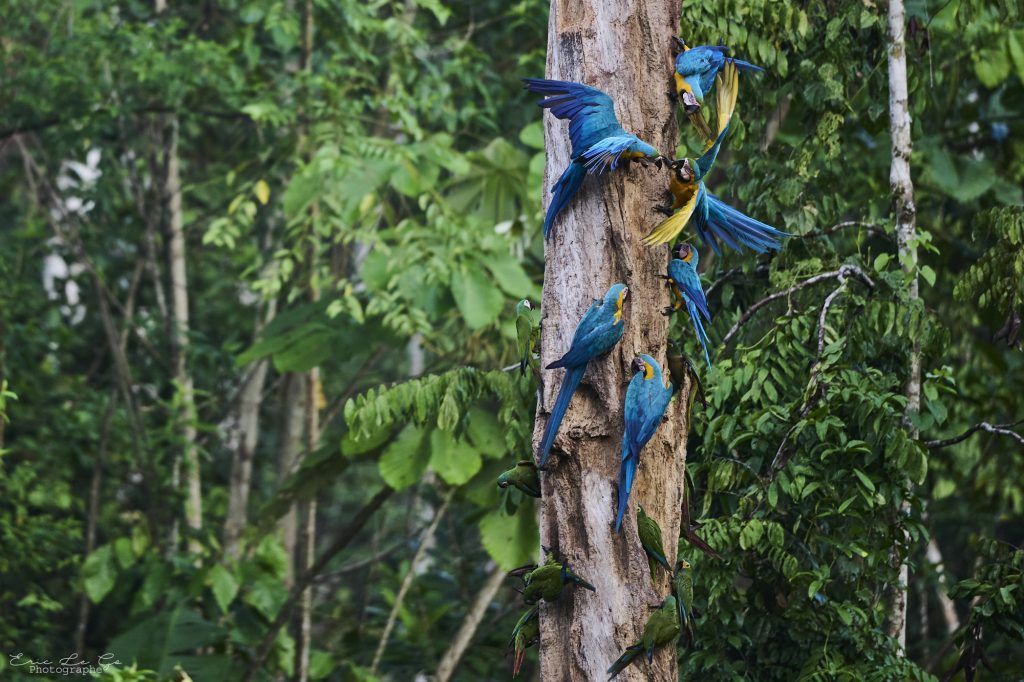
Deep within protected reserves, most notably the world-renowned Yasuní National Park, lies the primary forest. This is ancient, untouched, virgin jungle that has remained undisturbed for thousands of years. The architecture of a primary forest is breathtaking: giant kapok and ceiba trees form a massive canopy hundreds of feet above the ground, blocking out most of the sunlight and creating a spacious, cathedral-like floor. Because this ecosystem is completely mature, it serves as a critical sanctuary for the Amazon’s most elusive wildlife. This is where your chances maximize for spotting jaguars, harpy eagles, tapirs, and several species of monkeys moving through the high canopy. Visiting a lodge in the primary forest offers an unparalleled sense of isolation and raw, wild nature.
In contrast, closer to major rivers and accessible transit hubs, you will encounter the secondary forest. This consists of younger, regenerating woodlands that are naturally reclaiming areas previously impacted by human activity or natural shifts. The vegetation here is much denser and grows closer to the ground, as sunlight easily penetrates the developing canopy. While it lacks the ancient, towering trees of the deep jungle, the secondary forest is incredibly vibrant and full of life. It offers fantastic green scenery and is an absolute paradise for birdwatching, spotting colorful tree frogs, observing unique insect architectures, and learning about fast-growing medicinal plants. Both forests offer unique experiences, ensuring that regardless of where you stay, you will encounter the rich biodiversity that makes Ecuador famous.

Smart Logistics: Flight and Overland Routes to the Jungle
One of the greatest geographic advantages of choosing Ecuador for your Amazon adventure is how close it is to the capital city. Unlike other Amazonian countries where reaching the deep jungle requires days of grueling transit, Ecuador allows you to transition from the high-altitude Andes of Quito to the tropical lowlands in a matter of hours. Travelers can choose between two main transportation routes, perfectly matching different budgets and travel paces.
The first option is the flight route, which is ideal for those who want to maximize every single minute of their vacation. Travelers board a short, highly scenic 30-minute flight from Quito to Coca over the snow-capped Andes, landing directly at the gateway of the northern Amazon. A round-trip ticket costs approximately $260. From the landing strip, eco-lodges coordinate motorized canoe transits downriver, turning your travel day into an immediate wildlife-spotting safari. This route is efficient, comfortable, and minimizes transit fatigue, making it the preferred choice for international visitors with tight schedules.
The second option is the overland route, which offers a highly scenic and budget-friendly alternative. Comfortable private ground transportation departs from Quito, winding down through the lush cloud forests of Papallacta before arriving at Amazon gateways like Misahuallí or Tena in approximately six hours This driving route is a beautiful geographical lesson in itself, allowing you to watch the dramatic transformation of ecosystems right outside your window. It is an excellent, highly accessible option for independent adventurers, families, and travelers looking to experience Ecuador’s diverse landscapes at a grounded, relaxed pace.

Health, Safety, and Medical Peace of Mind
Preparing for a journey into the world’s largest rainforest naturally brings up practical questions regarding health and safety. Fortunately, traveling to Ecuador’s Amazon regions is straightforward, well-regulated, and safe for international tourists.
A frequent question among US and European travelers involves tropical medical requirements, specifically the yellow fever vaccine. While the yellow fever vaccine is safe and highly effective, it is important to clarify that it is no longer a mandatory entry requirement enforced by immigration authorities for tourists entering Ecuador. However, because individual health profiles, ages, and medical histories vary significantly, staying safe remains our absolute priority. We strongly recommend consulting your primary care physician or a specialized travel clinic well in advance of your departure date. Your personal doctor can evaluate your specific travel itinerary, activities, and overall health to help you make an informed medical decision that ensures total peace of mind throughout your trek.
Beyond vaccines, modern eco-lodges are fully prepared to handle guest wellness. They feature high standards of food hygiene, clean treated water, professional first-aid kits, and immediate communication networks with local medical facilities, ensuring you can focus entirely on the magic of the jungle.

Connecting with Local People and Sustainable Preservation
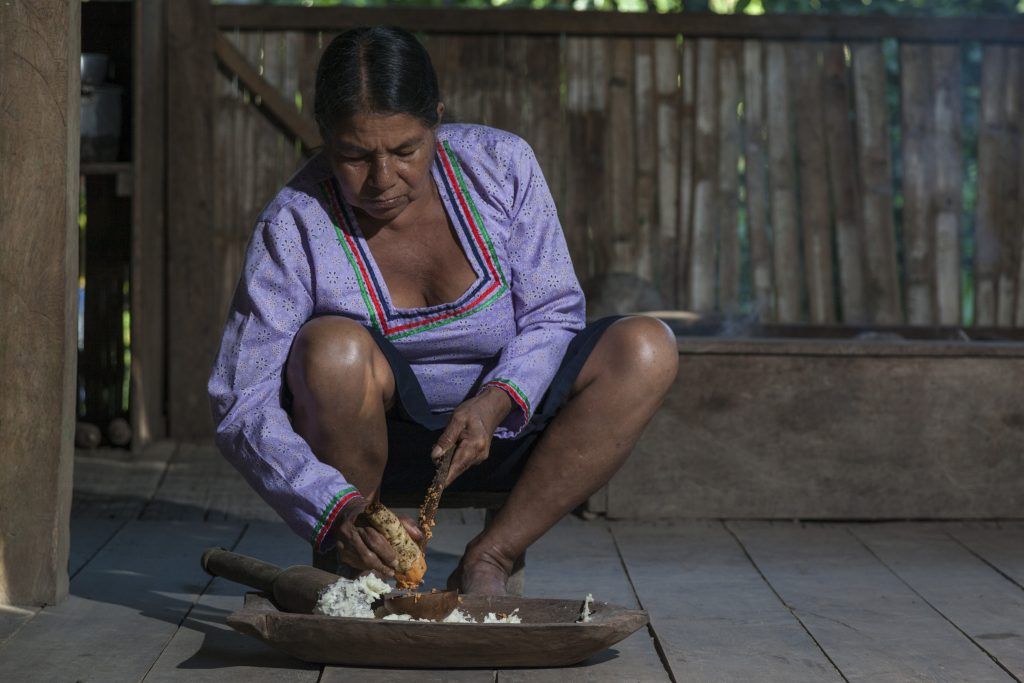
The true heart of sustainable travel in the Ecuadorian Amazon lies in its human element. True conservation cannot happen without the active participation and economic empowerment of the people who have guarded these lands for generations.
When you choose a vetted eco-lodge, your travel investment does far more than cover room and board. Many of the premier lodges in regions like Yasuní are fully or partially owned and operated by local indigenous communities, such as the Kichwa or Waorani. During your stay, local community members serve as your native guides. Walking through the forest alongside a local guide completely transforms your experience; they share an intimate, ancestral knowledge of the jungle, showing you how to read hidden animal tracks, mimic bird calls, and identify traditional plants used for generations to heal ailments.
This sustainable economic model provides stable, dignified careers within the community, reducing the economic pressure to clear forests for agriculture or logging. Your journey directly funds local schools, healthcare initiatives, and clean energy projects, proving that ecotourism is a powerful tool for cultural preservation and environmental survival.
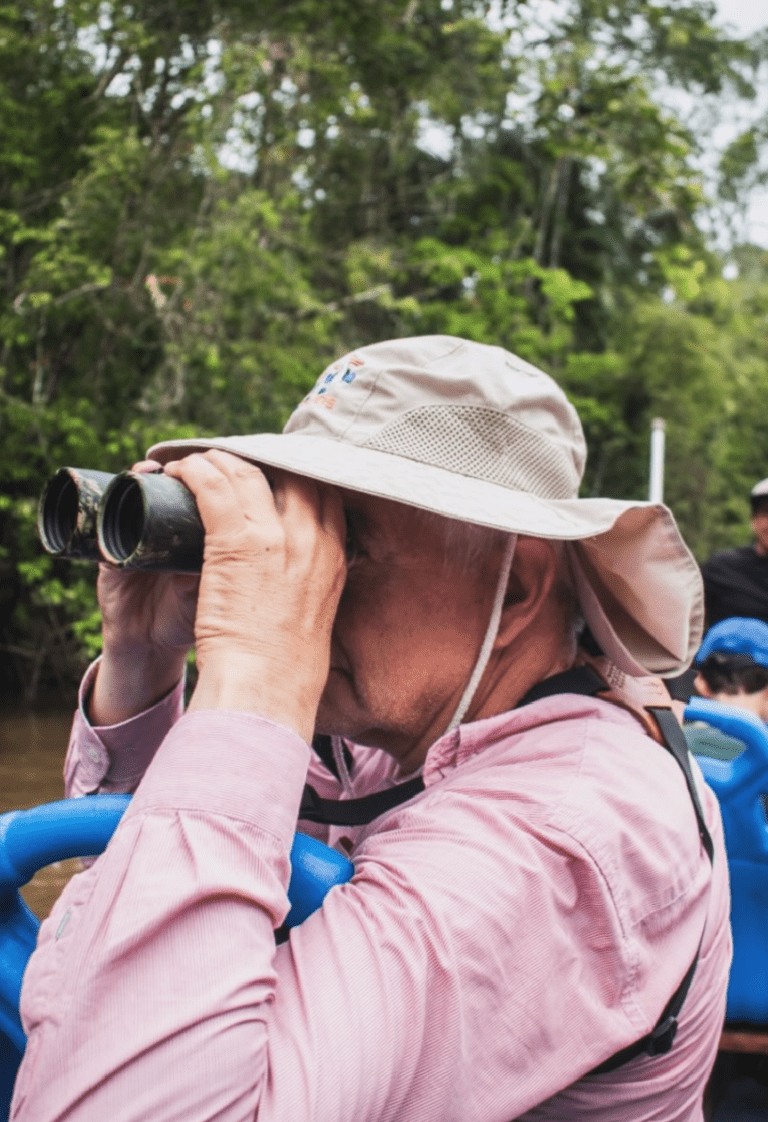
What to Expect: A Day in the Life of a Rainforest Explorer
Living in an Amazonian eco-lodge follows a beautiful, natural rhythm dictated by the sun and the wildlife. Days are designed to capture animals when they are most active, ensuring spectacular encounters while leaving plenty of time for relaxation.
- Dawn Exploration: Your day begins early with the morning chorus of the jungle. After a fresh breakfast of tropical fruits and local coffee, you head out via silent paddle canoe or forest trail. Early mornings are prime time for spotting pairs of scarlet macaws flying overhead, observing river otters hunting in the lagoons, and watching monkeys look for fruit.
- Midday Rest: As the tropical sun reaches its peak, wildlife retreats to the shade, and so do you. Midday is perfect for resting in a hammock on your private balcony, reading a book, or attending an educational lecture on Amazonian conservation led by your guides.
- Nocturnal Adventures: The rainforest undergoes a complete transformation after dark. Armed with flashlights, night walks reveal a completely different world filled with glowing insects, sleeping birds, unique spiders, and the mesmerizing sounds of thousands of tree frogs singing in unison.
Ready for an authentic, responsible rainforest journey?
Contact the travel specialists at Ecuador’s Landscapes today to start designing your custom Amazon itinerary.
Would you like to start a experience with us?
Please feel free to contact us, our Travel Experts will be happy to send you a free quote according to your needs and budget!